
Providence Technology Group
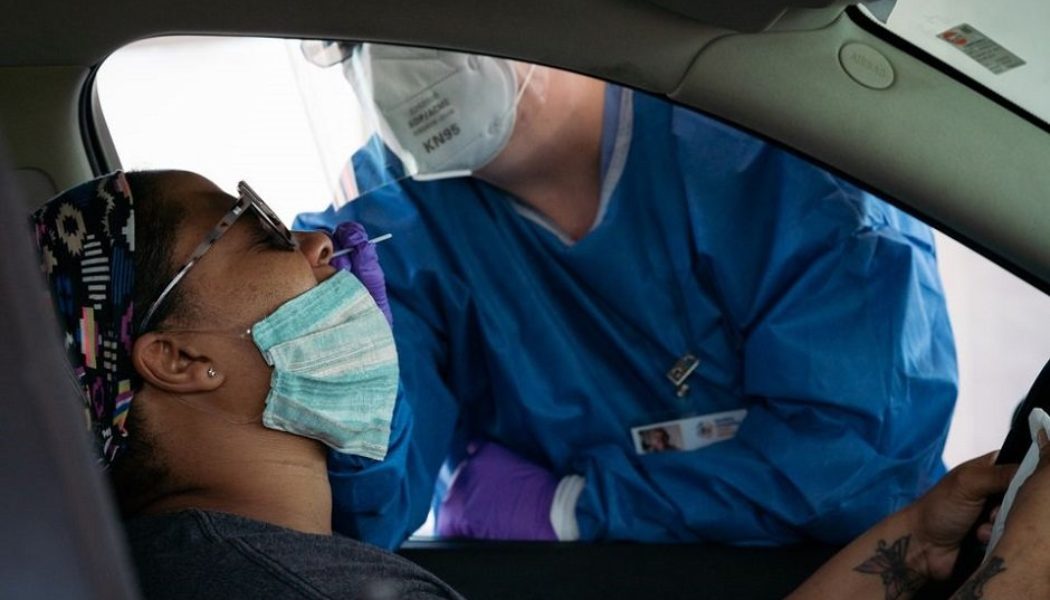

California Rushes to Build an Army of Coronavirus Detectives
(TNS) — As California hurries to reopen stores, offices, restaurants and more this week, another rush is on behind-the-scenes. State health officials have launched an unprecedented effort to train thousands of front-line, county-level workers to act as a firewall to stop the coronavirus from roaring back this fall. Gov. Gavin Newsom calls them his “army of disease detectives.” Commonly known in the public health world as communicable-disease “contact tracers,” this ad hoc group will serve as community strike teams in each county, working on tight deadlines to stop individual infections from turning into major outbreaks. Keep reading this article at GovTech.com
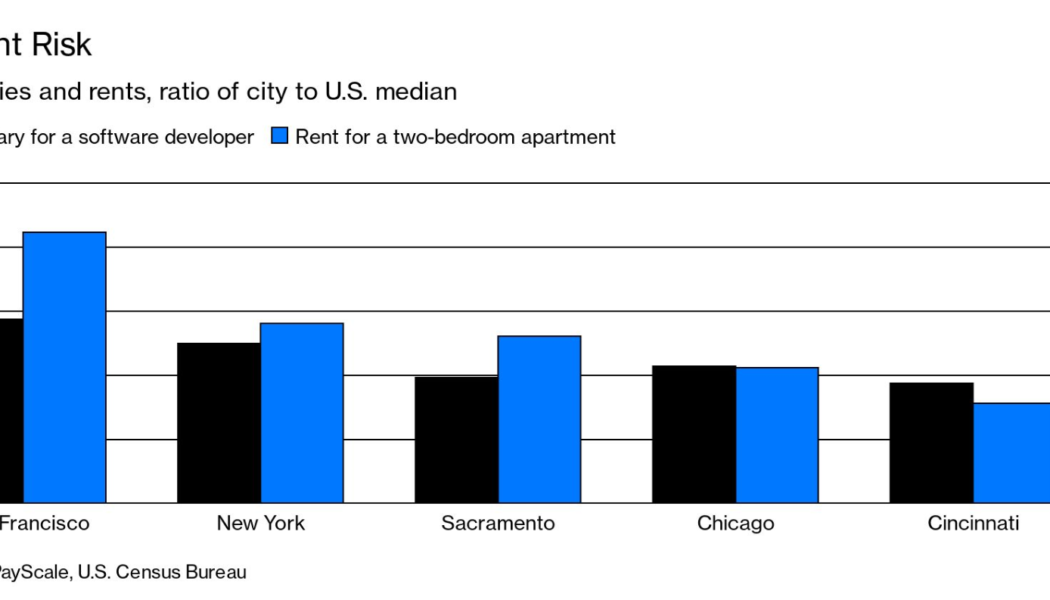

Tech Workers Consider Escaping Silicon Valley’s Sky-High Rents
Sachin Dhar thought he and his fiancée had a great deal paying $2,650 per month for a one-bedroom rental in South San Francisco, a short commute from Facebook Inc.’s offices in Menlo Park, where she works. But when the social networking company announced that most employees would be working from home until the end of the year, their calculation changed. “It makes no sense paying Bay Area rent if we can earn our salary living elsewhere,” says Dhar, 25, who already works remotely for a New York advertising startup. They’re considering moving to Hawaii—or, to really save money, somewhere in the rural U.S. Dylan Hecklau is thinking along the same lines. His ad-tech employer, Jelli Inc., was dubious about letting people work from home before the pandemic hit. Now that employees have proven prod...[Read More]
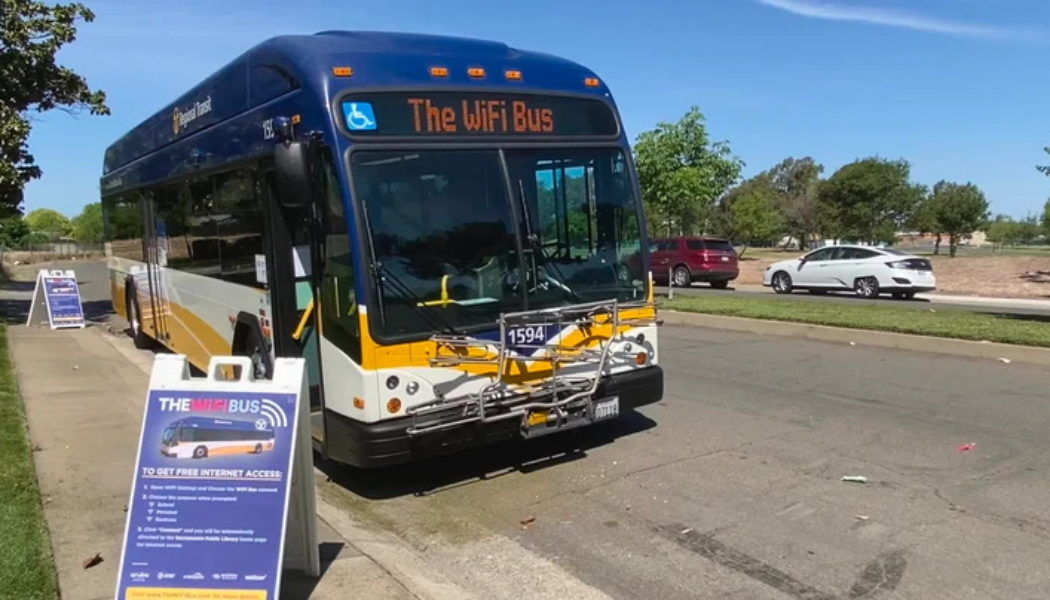

California Transportation Agency, city of Sacramento, SacRT launch Wi-Fi bus
The Sacramento Regional Transit District (SacRT) is partnering with the California State Transportation Agency and the city of Sacramento to turn buses into free hotspots for communities with limited high-speed internet access during the COVID-19 pandemic. Testing for the 60-day proof of concept began May 1, with the first three Wi-Fi buses going live May 4, to promote opportunities for distance learning, telework and telehealth. Seven additional buses will be deployed to more “digital desert” communities across Sacramento beginning the week of May 11. Buses will provide three and a half hours of wireless broadband service at two locations each day, with updated schedules available at thewifibus.com Keep reading this article at MassTransitMag.com
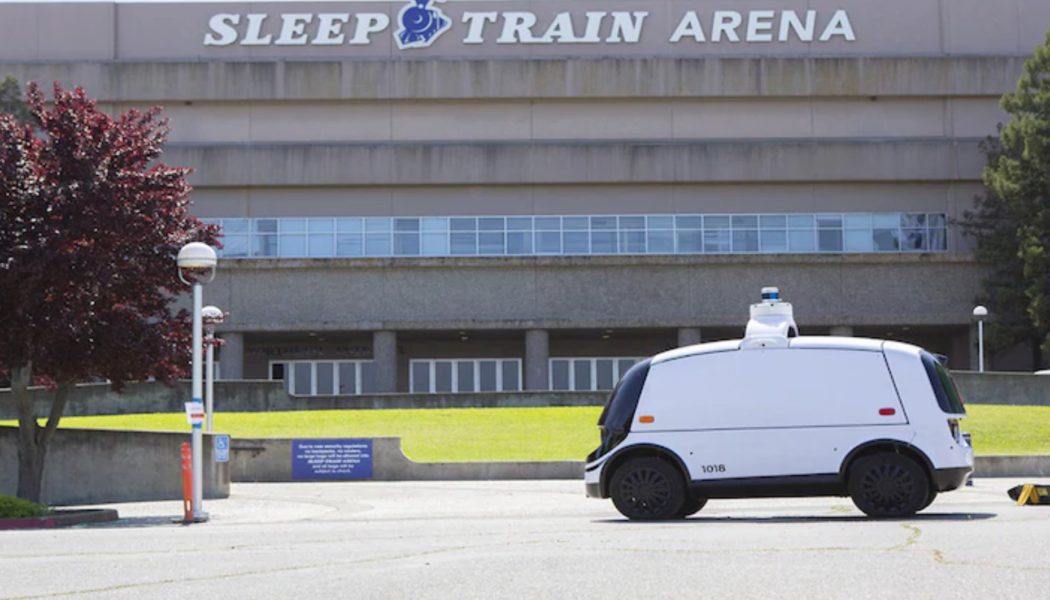

Nuro Develops Autonomous Vehicles to Aid Natomas Arena Surge Hospital
The robotic company’s newest mission is to help the state of California with touchless vehicles, moving and deploying medical goods throughout the former home of the Kings. Nuro, a Mountain View based robotics company, has a mission to accelerate the benefits of robotics for everyday life. The bread-and-butter of its operation is the development of autonomous vehicles, intended for public road grocery delivery. Today, with a global pandemic affecting the everyday life it sought to optimize, Nuro has implemented a new use for their technology. Keep reading this article at NBA.COM


Rancho Cordova scientists hope to market coronavirus treatment to hospitals in 2 months
Scientists in the Sacramento area believe they have developed a way to keep the new coronavirus from finding the doorknob that it typically turns to enter human lung cells. Chris Xu, the CEO of Rancho Cordova-based ThermoGenesis, said the biopharmaceutical treatment could go to market within two months. “We are so advanced at this because we leveraged our unique global resources,” Xu said. “When this epidemic started to surface in Asia, we have several top universities in China where we collaborate and developed the science behind this and did the screening. So now we are probably at least four to six months ahead of any other comparable research institution here (in the US).” In addition, the company is now marketing a diagnostic kit that will allow health care professionals to tell patie...[Read More]


Leading Engineering Firm Accommodates Rapid Growth And Strengthens Remote Work Capabilities With Workspot
Campbell, CA /PRNewswire/ – Wood Rodgers, a West Coast-based engineering firm, is using Workspot cloud desktops and GPU cloud workstations to meet the demands of their high-growth environment and seamlessly support and expand remote work capabilities, Workspot announced today. Workspot cloud desktops are enabling Wood Rodgers to continue providing high-quality services while empowering employees to work from anywhere. Power users are enjoying better performance than traditional desktop configurations, boosting remote-work productivity. Click to Tweet: West Coast engineering firm Wood Rodgers implemented @Workspot to drive company growth and strengthen business continuity. #azure #clouddesktops Last year, Sacramento-based Wood Rodgers began seeking a better way to accommodate rapid ex...[Read More]


California Can Tackle the COVID-19 Testing Problem With Technology and Entrepreneurship
What keeps troubling me in all this is the lack of coordination with the most obvious actors who can drive positive change: technologists Hat-tip to California Gov. Gavin Newsom, who this weekend admitted what he’d been avoiding in his public remarks during the pandemic lockdown thus far: We’ve failed dismally on testing patients to confirm a diagnosis of COVID-19. “I own that,” he said during his daily press briefing, addressing the testing issue. “I have a responsibility as your governor to do better.” With the entire of state of 40 million people entering a fourth week in lockdown, yes, he does. And it starts with that admission. Why does it matter? Despite the benefit of early stay-at-home orders in the most populous state in the union, we have no prayer of leaving our homes and going ...[Read More]


Connecting California: America, look to the Golden State on handling coronavirus
America, I see you flailing — and failing — to respond to this pandemic. Why don’t you just let California handle it? No joke. In normal times, you wouldn’t want Californians running anything. While we are strong at creating culture and technology, our elected leaders typically struggle to manage schools, housing, and traffic. In our personal lives, Californians famously flout the rules to go our own way. But in emergencies, Californians transform into very different people — calm, competent, and cooperative. You’ve seen it during the novel coronavirus crisis, as we move faster, more aggressively, and with clearer intent than national leaders in Washington. Keep reading this article at DesertSun.com


Maria MacGunigal
Maria MacGunigal, Sacramento’s CIO of more than six years, appreciates the similarities in her 26-year city career to the classic “janitor to CEO” arc — though in her case, she began as a student intern before ascending to the C-suite through GIS and enterprise applications. More recently, she has been spearheading the literal work in the trenches she said must happen if smart cities are to become real. In 2018, through a partnership with Verizon, Sacramento became one of a few cities to begin deploying wireless 5G broadband. Based on that, Sacramento now offers free Wi-Fi in three of 27 city parks, with more coming. Corridor-length traffic management is also on the way. The CIO has also led consolidation of city IT, helped forge a digital strategy and scrutinized process improvement, incl...[Read More]

California colleges are going online. How ready are they?
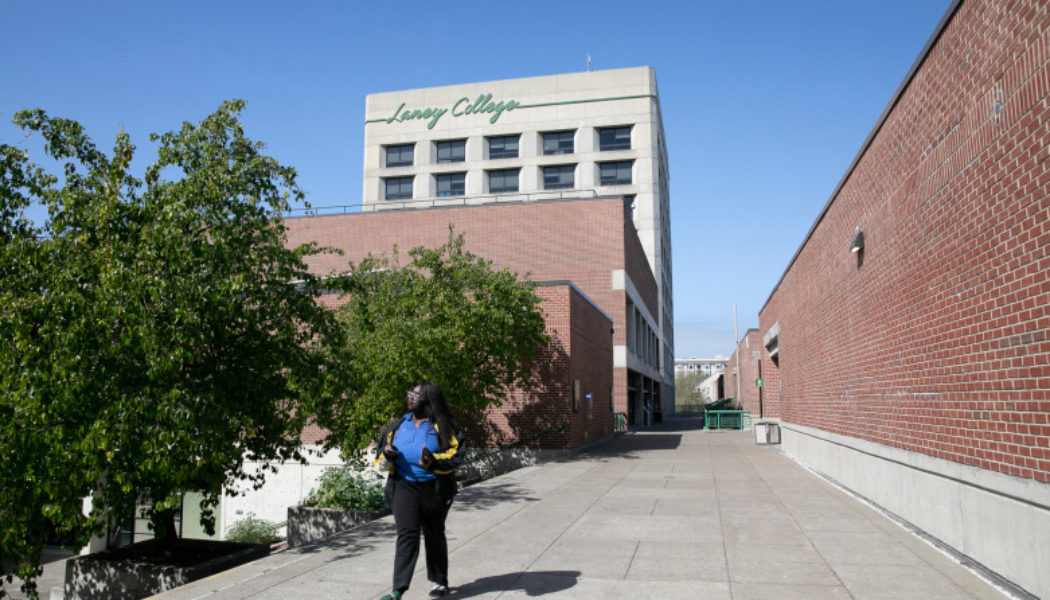
Thanks to the coronavirus, California is about to embark on an enormous unplanned experiment in remote learning — and no one knows how long it will last. The first challenge is simple: making sure everyone can log on. As math instructor Alyssa Wong drove to a recent meeting to discuss the College of San Mateo’s transition to online classes — spurred by the coronavirus outbreak — she was full of questions. “When you close a place like Harvard and send everybody home, they assume if you can afford $50,000 a year, you have a computer,” she said. “That’s different at a community college because we service a lot of people, everyone from high school students to people who are older. Even some of the teachers who are older, they don’t have any internet access at home.” Wong said she knew of at le...[Read More]


New rideshare service with only Teslas comes to Sacramento
The goal of Go360 is to provide first- and last-mile pooling services for daily commuters. The rideshare only serves downtown and midtown Sacramento, aiming to help users make that short connection between home and public transportation. The company promises wait times of less than 5 minutes, and they’re doing it in Teslas. “The Tesla APIs allow us to control the climate and music, so we are integrating those services into our ride-hailing app,” said Sravan Puttagunta, with Go360. Go360 operates on a subscription basis. You get four rides a day, which you can share with others. Rides work out to $2.50 each. “We have a rider base that has a much higher daily active usage compared to a normal person who uses Uber or Lyft,” Puttagunta said. Go360 is also collecting a massive amount of d...[Read More]

AI-Powered Closed Captioning Improves Functions for CA Active Adult Community
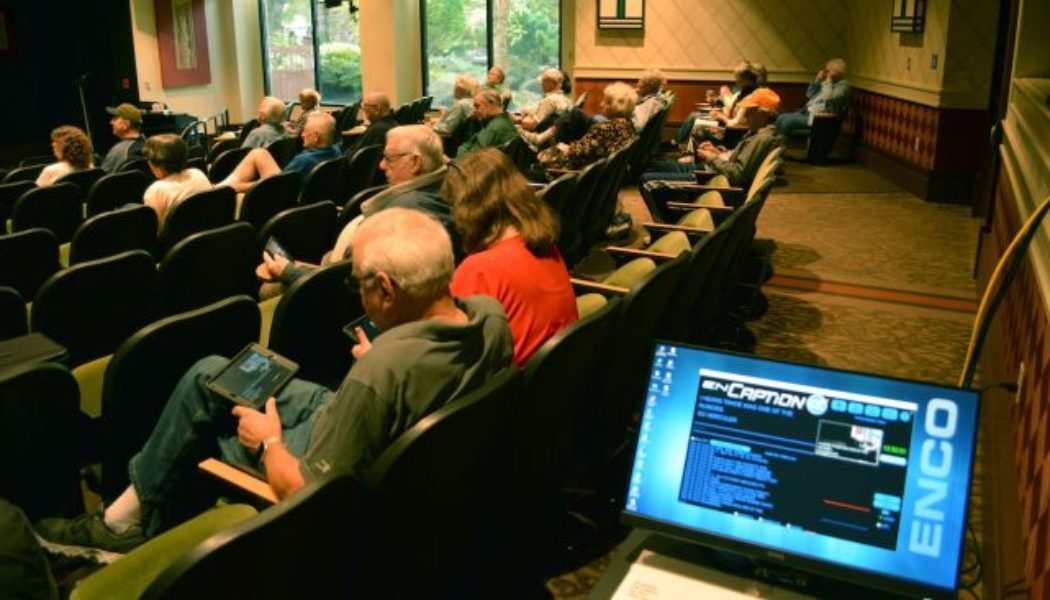
With an estimated 50 million adults over the age of 65 in the United States, the boomer generation continues to have an outsize impact on American society. According to Pew Research, 10,000 people retire every day. This population increasingly looks to live out their golden years in places that provide a wide range of community activities, events, services, and even governance. These residential developments often face higher demands for effective communications geared toward those who are hard of hearing. The Sun City Lincoln Hills active adult community has embraced high tech solutions to support residents in this capacity. Sun City Lincoln Hills is a 55-plus population of approximately 11,500 northeast of Sacramento, CA. As a premier location for weddings in the region, the grounds incl...[Read More]