
Providence Technology Group
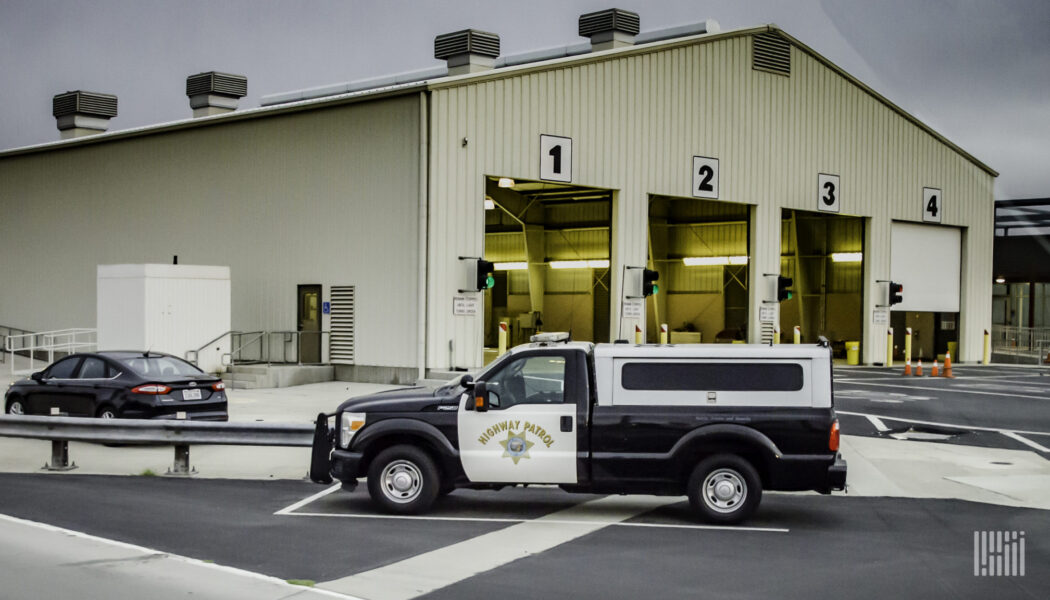

How California uses tech, partnerships to nail trucking emissions violators
Data mining, sensors, and other software and hardware solutions are changing the way California air quality regulators are enforcing trucking emissions regulations. Partnerships with local and national enforcement agencies to catch emissions violations also on the rise. The tech revolution that has hit the trucking industry over the past decade is likewise reshaping the way air quality regulators do their job. A slew of telematics services have come on board to help fleets monitor operations, including emissions control systems. Simultaneously, data collection and sensor tools are giving regulators better visibility into fleets violating emissions regulations, yielding more efficient and effective enforcement. “Historically, we would be out in the field doing individual truck inspections, ...[Read More]

Sacramento FBI Encourages Business Community to Guard Against and Report Business Email Compromise
SACRAMENTO—During National Cyber Security Awareness Month (NCSAM), the Federal Bureau of Investigation (FBI) Sacramento Field Office is reminding the business community about business email compromise (BEC). BEC is a sophisticated scam targeting anyone who performs legitimate electronic payments such as wire or automated clearing house transfers. In a typical BEC scheme, the victim receives an email they believe is from a company they normally conduct business with, but this specific email requests funds be sent to a new account or otherwise alters the standard payment practices. BEC has been a major concern for years. In 2019, the FBI Internet Crime Complaint Center (IC3) recorded 23,775 complaints and more than $1.7 billion in losses due to BEC fraud schemes. In April 2020, the IC3 issue...[Read More]
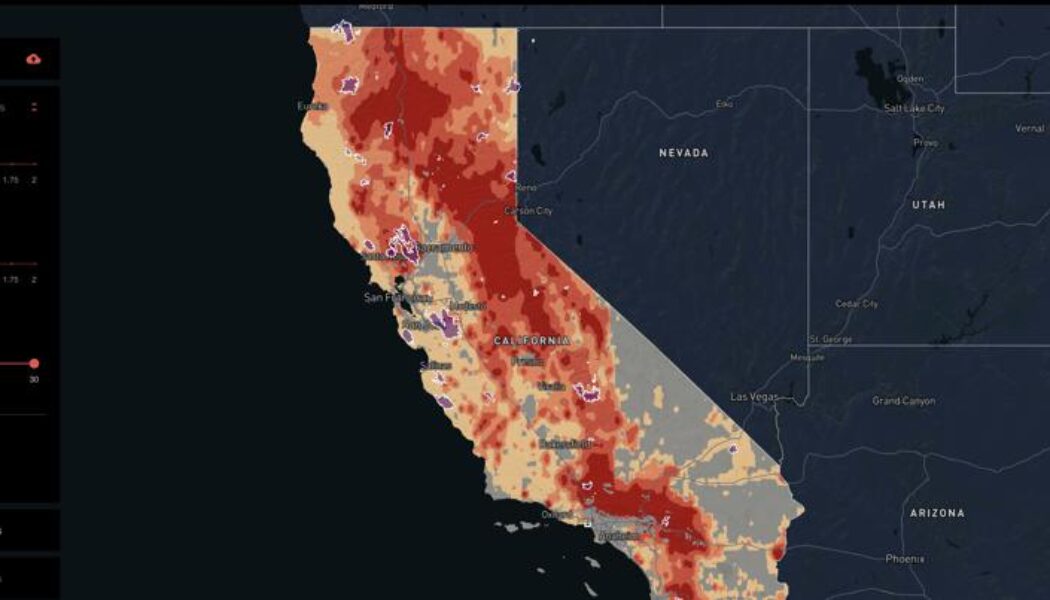

Fintech’s Wildfire Fighter: This Reinsurer is using AI to make California Insurance Affordable
This year, California wildfires have torched 1.4 million acres, an area bigger than Connecticut. Nine thousand homes and other structures have burned. While brand-name insurers like Allstate ALL -0.7% and State Farm are suffering from a surge in homeowner insurance claims, another industry is gasping for air behind the scenes: reinsurance. Reinsurers cover companies like Allstate when they see big losses, typically paying out 60% of claims for catastrophic events. To make up for lost profits and rising risks, reinsurers in California have raised their prices by about 600% over the past five years. San Francisco startup Kettle thinks its sophisticated statistical models can predict wildfires better than any other reinsurer, and it plans to offer lower prices as a result. It officially laun...[Read More]
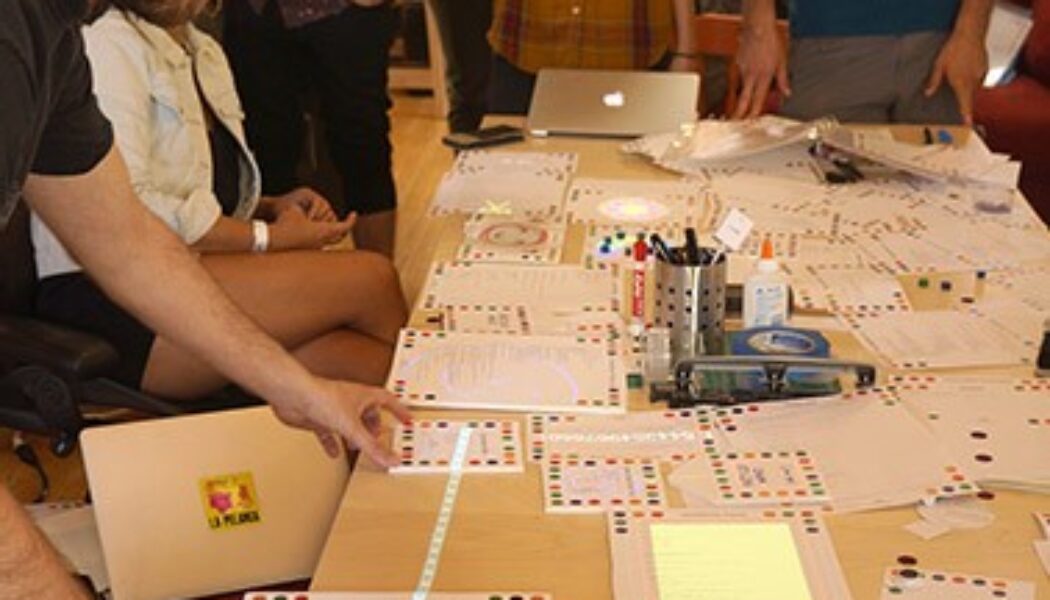

Local Computing Innovation Opens Programming to All
“One guest, after spending time at Dynamicland, held up his smartphone and shouted, ‘This thing is a prison!’” Computing is a relatively new feature of our modern lives, despite the ubiquity of phones and laptops. The more the computers can do, the less we want to do with them. With an innovative, human centric approach to computing, DynamicLand is pushing the envelope for what computers are capable of and opening our eyes to a new era of technological possibilities. Imagine this: Arts and crafts supplies on a table, surrounded by children and their parents. Lights dazzle on the surface of their table, commanded by intricate patterns of hundreds of multicolored NFC tags (An NFC tag is a sticker with small microchips that can be read by in-range mobile devices). Though nobody in this scene...[Read More]
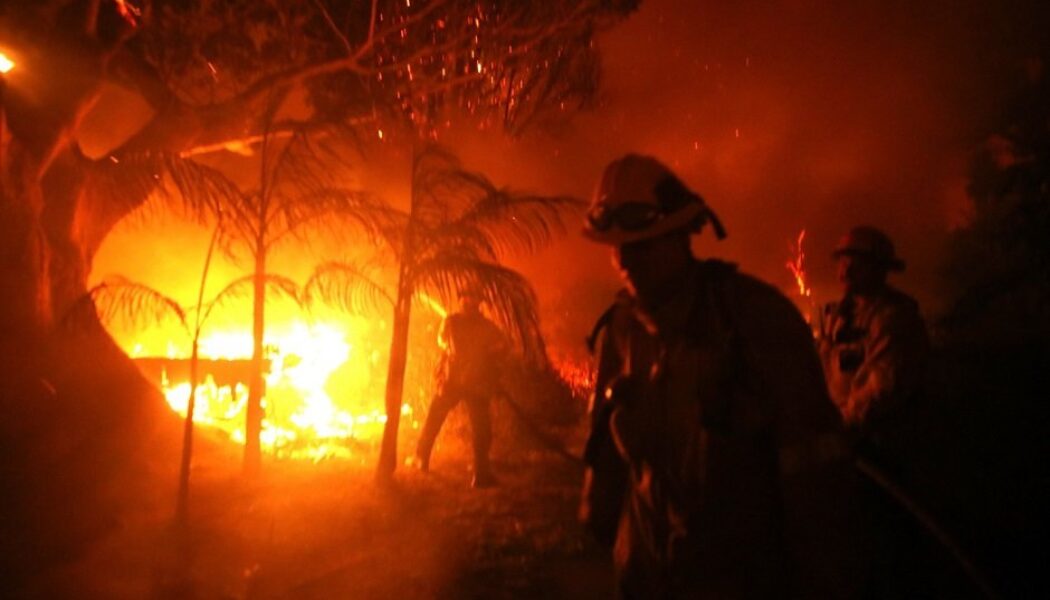

New Simulation Technology Helps Get the Jump on Wildfires
The Sonoma-Lake-Napa Unit (LNU) wildfires in California burned nearly 200,000 acres before finally being contained. But in the process, the California Department of Forestry and Fire Protection (CAL FIRE) was able to deploy a simulation technology that helps firefighters predict the actions of a wildfire and deploy resources more quickly where needed. The data has always been available, but only within silos and compiling that data traditionally took hours or days. The technology, developed by Technosylva, was partially deployed by CAL FIRE in July during the LNU fires and showed a rapid spread of the wildfire. “We’re rolling it out over a three-phased implementation period,” said Christine McMorrow, CAL FIRE resource management communications officer. “Our first phase went live July 31 in...[Read More]


UC Davis establishes research, training in cultivated meat
Is cultivated meat — essentially, animal protein grown under lab conditions — a nourishing prospect to help feed the world, or is it more sizzle than steak? A consortium of researchers at the University of California, Davis, aims to explore the long-term sustainability of cultivated meat, supported by a new grant of up to $3.55 million from the National Science Foundation Growing Convergence program, in addition to previous support from the Good Food Institute and New Harvest. “The societal need is to feed 9 billion people,” said principal investigator David Block, professor and chair of the UC Davis Department of Viticulture and Enology and professor in the Department of Chemical Engineering. “What we want to know is, will cultivated meat be a viable suppleme...[Read More]


Program will provide laptop, weekly pay and digital job skills to Sacramento residents
The city of Sacramento, the Greater Sacramento Urban League and the Greater Sacramento Economic Council on Monday announced the Digital Upskill Sacramento Program. Started in partnership with General Assembly and Merit America, is intended to provide new job skills to those affected by the coronavirus pandemic through full-time, virtual learning and projects. Potential participants, especially those from underrepresented communities seeking professions in technology, will vie for 40 spots in the program through an application and admissions process in early October. Those who are selected will receive a free laptop and receive job skill and technology training for nine weeks while being paid $600 per week. The program will end in December with each enrollee receiving a digital certificate ...[Read More]
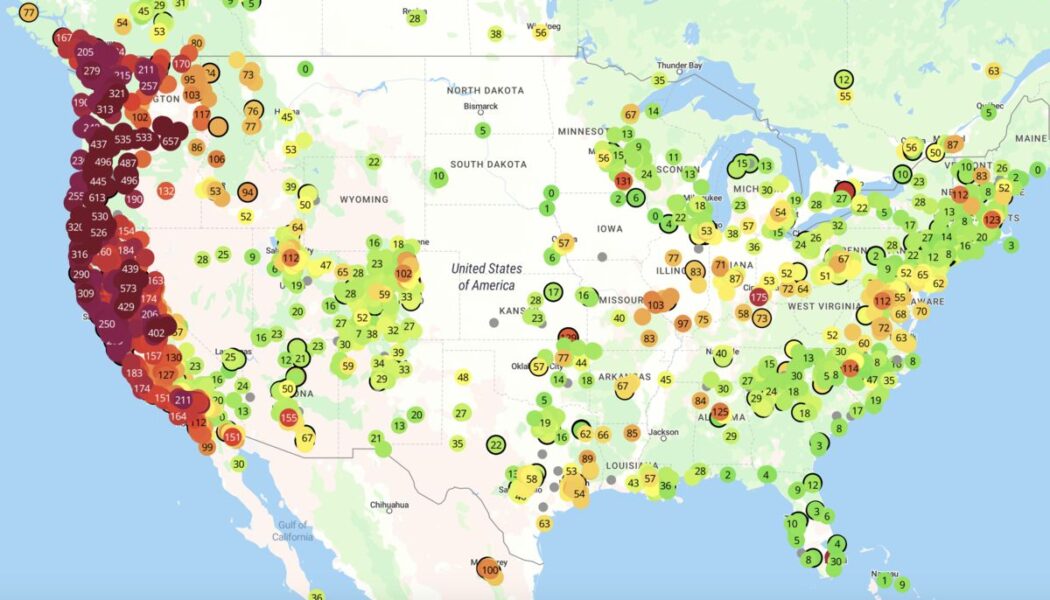

Amateur Air Pollution Trackers Are Mapping Western Wildfire Smoke
In late 2018, as smoke from the Camp Fire engulfed the Bay Area for days on end, Nina Lewis bought a PurpleAir sensor. For about $250, the small WiFi-equipped air pollution monitor allowed her to track the air quality index, or AQI, as well as particulate matter levels in real time outside her home near San Mateo, California. Compared to readings from the closest government air monitor nine miles away, the sensor gave Lewis a clearer picture of how much pollution was affecting her local surroundings, informing her about things like whether to wash the car or take the dog for a walk. She thought her neighbors might also appreciate that data, which populates a free public map of global PurpleAir sensors. But she didn’t realize how dependent others had become until the day her husband unplugg...[Read More]


Grant Will Help UC Davis Library’s DataLab Digitize 17th Century Records
The University of California, Davis, Library’s DataLab will be able to complete the digitization of a vast collection of 17th century texts, art, music and cultural records thanks to a National Endowment for the Humanities grant. The three-year, $360,000 grant from the NEH will support what will be the most comprehensive digital humanities project of its kind in the world. “This grant really puts UC Davis at the forefront of this work that integrates data science and the humanities,” said Carl Stahmer, executive director of DataLab at the UC Davis Library and co-founder of the English Broadside Ballad Archive, or EBBA, project. “It is true interdisciplinary work.” Keep reading this article at Ucdavis.edu
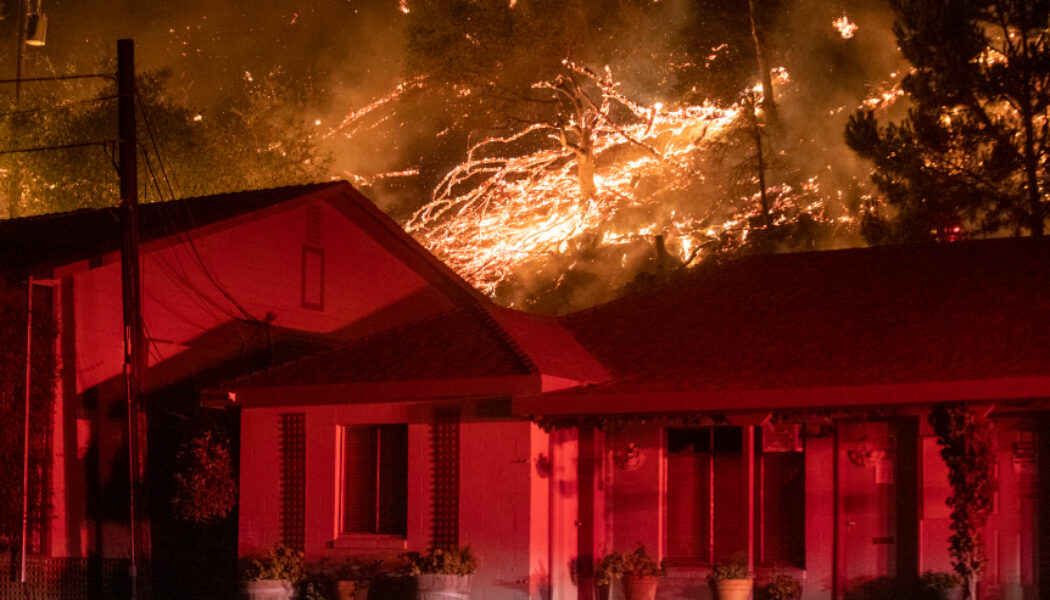

Some Yolo County residents didn’t get evacuation alerts in wildfires due to robocall blocking, officials say
Some Yolo County residents didn’t get evacuation alerts from the emergency alert system as fires burned mere miles away from their homes and property due to robocall blocking, officials say. County officials addressed county residents’ concerns in a virtual town hall held Friday afternoon. The meeting was hosted by Supervisor Don Saylor, who is responsible for District 2, which includes the city of Winters where evacuation zones 58 and 60 are located. The LNU Lightning Complex wildfires have burned through 373,324 acres in Yolo, Solano, Sonoma, Napa and Lake counties. The complex is 41% contained as of Saturday afternoon, according to Cal Fire. In the early morning of Aug. 19, the fires came dangerously close to Winters’ surrounding rural areas, prompting mandatory and advisory evacuation ...[Read More]


Luxer One Sees A Surge In Purchases From Schools And Universities
SACRAMENTO, Calif., Aug. 25, 2020 /PRNewswire/ — Thousands of school and universities in the United States have been preparing for a back to school season that will start off-campus. And for more and more of them, this means installing Smart Lockers to contactlessly distribute learning tools like laptops and Chromebooks. Created by California-based Luxer One, the solution is a multi-unit system of smart lockers accessed through the Luxer APP. Faculty load and electronically lock individual lockers for students and families to, later, pick-up the contents using an electronic touchpad to open their assigned locker without a key or combination. Keep reading this article at thestreet.com


America’s Terrible Internet is Making Quarantine Worse
At 8 a.m. Pacific time last Wednesday, I joined David Anderson’s 12th-grade government class at Live Oak High by clicking on a Zoom link. Because California suffered a surge in coronavirus cases this summer, students in Live Oak, a town about 50 miles north of Sacramento, will be learning virtually for the foreseeable future. Both Anderson and his students seemed nervous about how it would go. At 8:03, only eight of the 24 students had logged on, despite the fact that Anderson’s “classroom expectations” sheet requested that everyone “log in to class on time and prepared every day.” It might not have been the kids’ fault. Many students are poor in this rural chunk of the Sacramento Valley. The school ordered Wi-Fi hotspots for the students, but they won’t be available until August 22. In a ...[Read More]