
Providence Technology Group


Locast TV Service Now Available in Sacramento
SACRAMENTO, Calif.—Locast, a nonprofit, free local broadcast TV streaming service, has announced that it has launched in Sacramento, making 60 local TV channels available over the internet on the phone, tablet, laptop or streaming devices of more than 4 million residents in the Sacramento market. Keep reading this article at tvtechnology.com

Technical Glitches Keep Newsom’s Dream of High-Tech Government on Hold
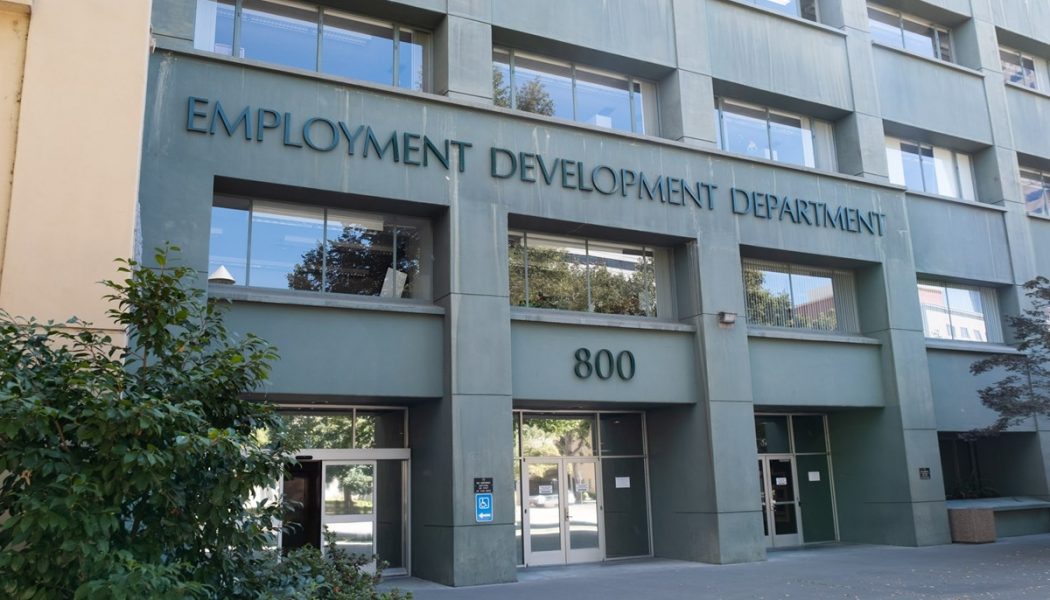
Like millions of Californians, Mary Montgomery turned to unemployment insurance in recent months to help make ends meet, as the Sacramento sushi restaurant where she worked opened and closed during the pandemic. She considered herself lucky. Sure, there were long hold times when she called the state’s hotline for assistance. But her benefits were deposited on time, and she wasn’t swept up in the growing backlog of claims. Then last month, the state Employment Development Department (EDD) froze her benefits without warning. “It says that I have over five thousand dollars that I should be able to use, but there’s no way for me to use that money,” she said. Keep reading this article at capradio.org

UC Davis Licenses Novel COVID-19 Lung Treatment Using Inhaled Statins to InVixa, Inc
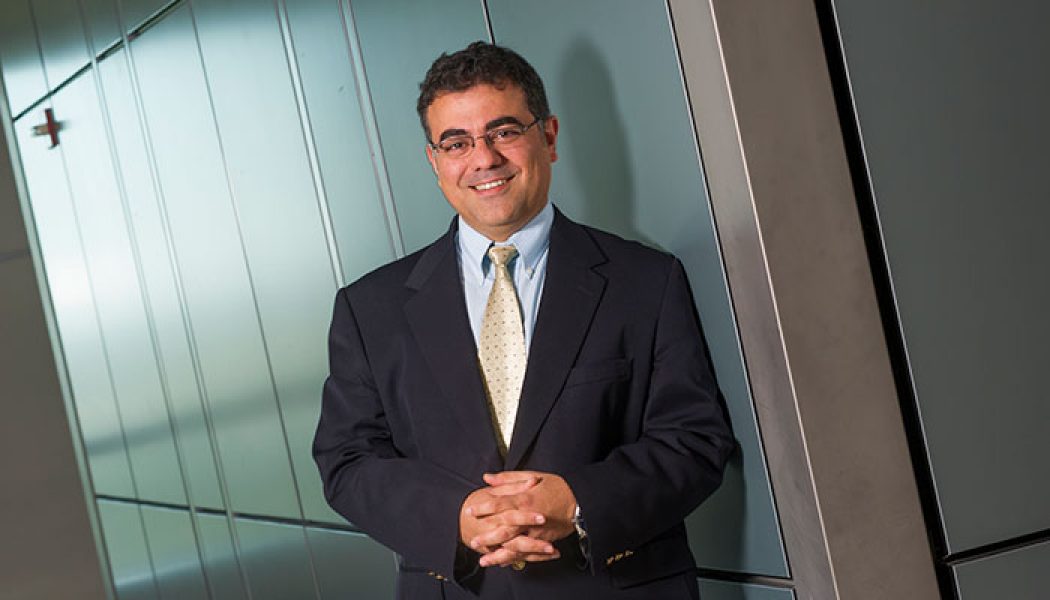
The University of California, Davis and InVixa Inc., a biopharmaceutical startup, have executed a licensing agreement for a novel method using inhaled statins to treat the severe respiratory disease known as COVID-19. The license, negotiated by the InnovationAccess team within the UC Davis Office of Research, provides exclusive access for InVixa to commercialize the technology developed at the university for COVID-19. While statins are one of the most prescribed drugs on the market, typically used to treat cardiovascular diseases such as coronary artery disease and stroke by lowering cholesterol levels in the blood, some studies have demonstrated a potential link to improved outcomes in some lung diseases due to statins’ immune-modulatory properties. Dr. Amir Zeki, associate professor in t...[Read More]


Growing Network of Weather Stations and Fire-Watch Cameras Provide PG&E Meteorologists, Outside Agencies with Hyperlocal Data on Extreme Weather
In 2020, 400 New Weather Stations Brought PG&E’s Network Total to 1,000 Installed and Operational, and the Number of High-Definition Cameras More than Doubled with Over 300 in Operation Pacific Gas and Electric Company’s (PG&E) expanded network of enhanced weather technology, including weather stations and high-definition fire-watch cameras located in areas of elevated or extreme fire risk, helped reduce the size of each Public Safety Power Shutoff (PSPS) event in 2020 on average by 55 percent. As of the end of year, PG&E had 1,000 weather stations and 340 cameras in operation throughout Northern and Central California, providing more precise weather data to the company’s team of meteorologists and outside agencies. The weather stations, along with sectionalizing devices that i...[Read More]


How AI helped California’s DMV adapt to COVID closures
Intelligent document processing has helped the California Department of Motor Vehicles overcome challenges associated with COVID-related field office closures. “When the offices were closed, we established a virtual field office for our customers where they could request certain services that we could provide remotely,” said Ajay Gupta, chief digital transformation officer at DMV. For paperwork that customers must still submit as a physical document such as vehicle titles for title transfers, DMV set up a digital mailroom using intelligent document processing tools from ABBYY, a digital intelligence company. The original documents get to DMV in two ways: Customers may submit most documentation via an upload feature supported by automated document classification and extraction from ABBYY, o...[Read More]


Nuro Gets the Green Light to Charge for Autonomous Deliveries in California
The California Department of Motor Vehicles last week awarded Bay Area robotics company Nuro a permit to deploy autonomous vehicles on public streets for commercial purposes, meaning it can make money from the services its cars provide. This is the first self-driving deployment permit granted in the state, “a significant milestone in the evolution of autonomous vehicles in California,” says DMV Director Steve Gordon. Nuro has been allowed to test its autonomous vehicles on public roads with a safety driver since 2017 and received a driverless testing permit in April 2020. But it can now expand into actually charging customers for services like grocery deliveries or medication drop-offs. Nuro will offer service in parts of Santa Clara and San Mateo counties, which includes the c...[Read More]

SAC LIBRARY TO HELP PROVIDE WI-FI CONNECTIVITY FOR CITY RESIDENTS IMPACTED BY COVID-19
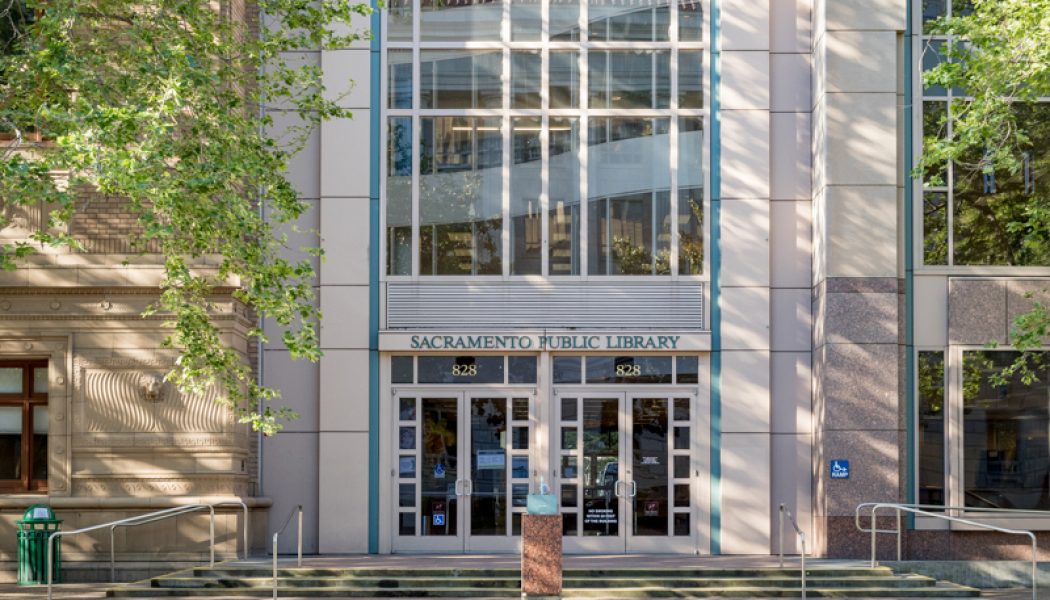
The Sacramento Public Library, in partnership with the City of Sacramento and local community-based organizations, is helping to bring internet services to local communities by providing more than 1,400 Wi-Fi hotspots to eligible residents impacted by COVID-19. Residents wanting to access these hotspots can either apply to get a hotspot to keep for free (which includes one year of free service) or they can check one out of the library to use for up to six weeks. Keep reading this article at sacramentocityexpress.com


COVID-19 exposure notification system expands statewide; University of California to lead roll out effort
The State of California has asked the University of California to lead an expansion of a smartphone-based COVID-19 exposure notification system recently tested at seven University of California campuses. Under this statewide program, researchers and entrepreneurs at UC San Diego Health who developed and led the pilot program will manage broadening the program for the State. The notification system, called CA Notify which will officially launch on December 10, enables individuals who opt-in to the program to receive automatic smartphone notifications if the user has high-risk exposure to other enrolled users who are diagnosed with COVID-19. Keep reading this article at universityofcalifornia.edu


‘Chill Cloud’ helps campus community combat social isolation
Sacramento State’s College of Education has devised an innovative way to help students, faculty, and staff combat social isolation amid the ongoing COVID-19 pandemic. “Chill Cloud,” which launched in October, allows members of the University community to sign up for or create informal virtual meetings on any topic, or simply to allow people to hang out in a non-classroom setting. Suggested meetings on the Chill Cloud website include an open mic night for poets, performers, or comedians; “the fun topic you will NOT learn in my course;” meditation and yoga; story-telling night; and “cooking dinner with…” Keep reading this article at csus.edu


There’s Been a 70% Uptick in Redfin.Com Users Looking to Relocate to Sacramento and Las Vegas Since Last Year
Nationwide, 28.5% of Redfin.com users looked to move to another metro area in October, up from 24.9% a year before and a slight decline from 29.2% in the third quarter. This is according to a new report from Redfin (redfin.com), the technology-powered real estate brokerage. Sacramento, Las Vegas and Phoenix were the most popular destinations for people looking to move to a different metro area in October, with higher net inflows than any other major U.S. metro. A net inflow means more people are looking to move in than leave, while a net outflow means more people are looking to leave than move in. Keep reading this article at prnewswire.com


California Chief Data Officer Joy Bonaguro’s New Data Strategy
Joy Bonaguro, California’s Chief Data Officer (CDO), recently unveiled a high-level plan to revamp California’s data systems. The mission of the CDO is to “empower use of data by ensuring the state has the infrastructure, processes, and people to manage, access and use data efficiently, effectively, securely, and responsibly.” In order to meet the CDO’s mission, Bonaguro organizes the new Data Strategy by goals and objectives. The goals are broadly positive, highlighting general areas for improvement. These goals are: Streamlining Data Access, Improving Data Management and Governance, and Spurring Data Use & Ability. Streamlining Data Access focuses on the technical aspects of the plan – the things that must be coded. Improving Data Management & Governance aims at standardizing and...[Read More]


A Billion Dollars from a Junkyard
On a sprawling 97-acre lot beside railway tracks and auto repair shops in a section of eastern Long Island that’s definitely not the Hamptons, forklifts maneuver through a neatly organized salvage yard, moving everything from weathered pickup trucks to an almost-new Lotus coupe. This is no ordinary junkyard. Everything is coordinated electronically: The forklift drivers follow a meticulous schedule laid out on a tablet. Each car, be it a lightly battered BMW or a totaled Toyota, has a numerical code on the windshield so it can be digitally identified, inventoried and then moved to its corresponding spot in the sales area. In the squat, one-story building out front, customers who bought a vehicle online wait to pick up their newly purchased wreck after scanning a QR code on their phones. Th...[Read More]