
Providence Technology Group
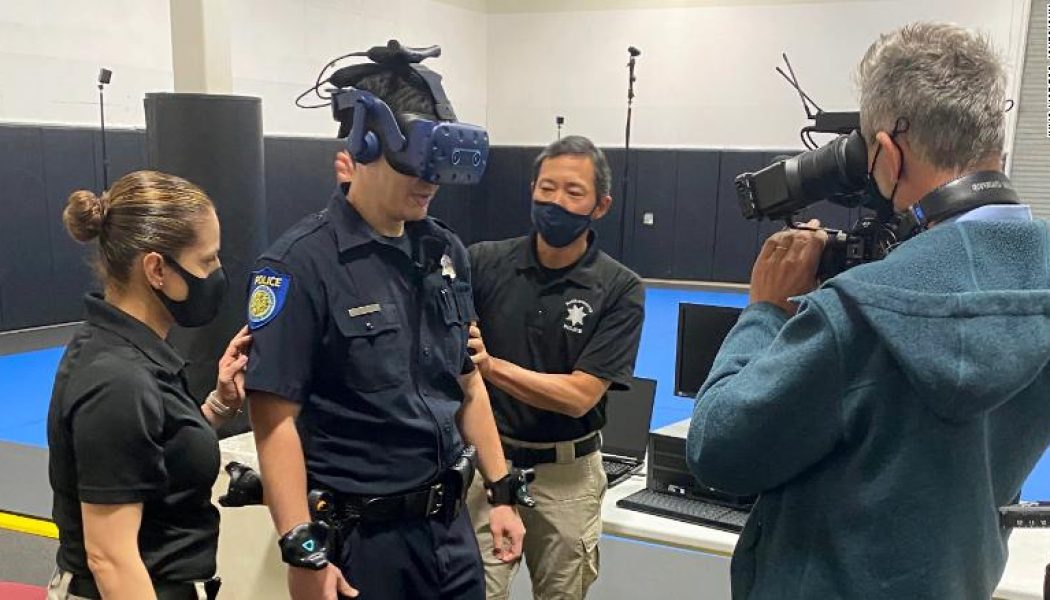

With virtual reality police training, Sacramento tries to ‘get to a much better place’
With police training programs across the country under intense scrutiny after Derek Chauvin’s murder conviction, one department in California is using several high-profile police killings of Black Americans as it trains the next generation of officers to better anticipate and respond to high-risk encounters. The Sacramento Police Department’s training techniques have been largely shaped by the police killing of Stephon Clark, a 22-year-old Black man, in the city in 2018. And graphic videos of recent fatal police shootings, including 16-year-old Ma’Khia Bryant in Columbus, Ohio, and 20-year-old Daunte Wright in Brooklyn Center, Minnesota, are serving as teachable moments in the agency’s hands-on training program. Keep reading this article at CNN.com.
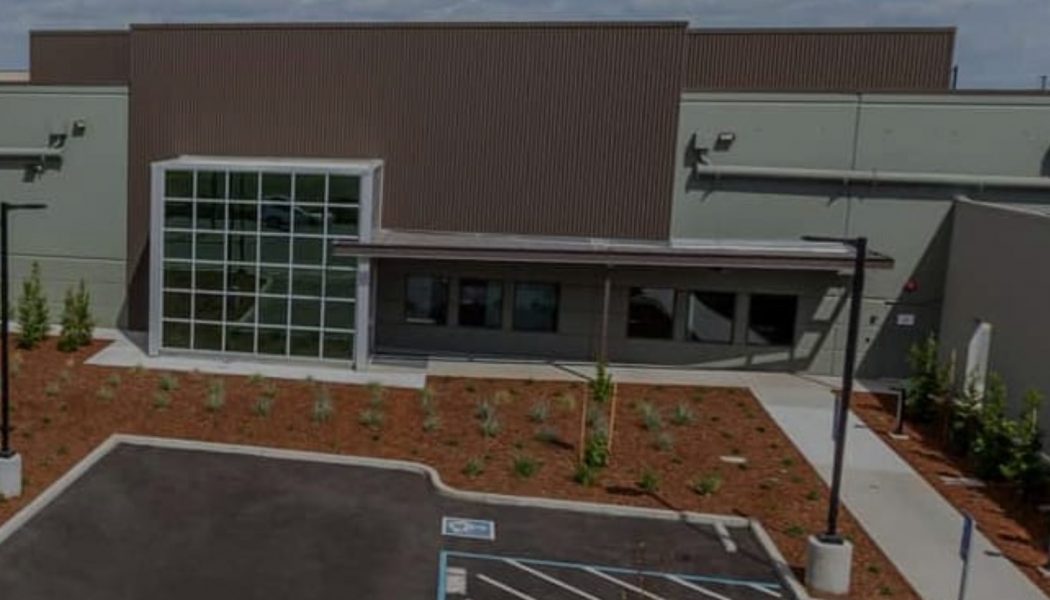

Prime Data Centers Announces 8MW Lease in Sacramento With Public Tech Company
Prime Data Centers, a wholesale data center developer and operator, announces that it has signed an 8MW build-to-suit lease with a publicly traded global enterprise at Prime’s new McClellan Park campus in Sacramento. The tenant, a technology leader based in the San Francisco Bay Area, worked with Prime to complete the turnkey design and development of the 8MW facility. The flexible design enabled an increase of more than 30% to the original 6MW design. Serving millions of users and leading brands worldwide, the customer selected Prime’s McClellan Park facility due to its location and unique tax and power advantages. As a registered California Qualified Opportunity Zone and economic development site, Prime’s Sacramento data center presented multiple benefits to the client, including state s...[Read More]


How California managed its digital COVID-19 response
People across the country sought more online services for work, education and health care during the COVID-19 pandemic than ever before, leading to an unprecedented demand for digital expertise within state and local government agencies over the past year. To keep up with the public’s desire for information and online tools, Angie Quirarte, California’s deputy director of digital innovation, said her team worked 20-hour days, forged heaps of new inter-governmental collaborations and advocated for massive shifts of state and local resources to offer online support for residents. And they kept their sanity while doing it, she told StateScoop, even as the pandemic ensured that the work was never truly done. Keep reading this article at statescoop.com


How drones assist in salvage operations
We’re starting to reach the point at which drones are no longer seen as a novelty, but a versatile tool. Industry leaders have seen how the technology has developed and are keen to explore the potential unmanned vehicles can have to improve operations, enhance safety, and contribute to their success. Unmanned aerial vehicle (UAV) adoption across new sectors doesn’t just mean more varied uses but also opportunities for engineers to improve current tech and develop new protocols and tools that make them more effective in their applications. Keep reading this article at techaeris.com


Wastewater Monitoring for COVID-19 Expanding in Davis
Healthy Davis Together wastewater monitoring operations, led by UC Davis researchers with support from the city’s Department of Public Works, has deployed newly arrived wastewater sampling equipment to 15 additional sample collection locations (nodes), expanding monitoring to more neighborhoods served by the city wastewater collection system. The virus that causes COVID-19 (SARS-CoV-2) can be shed in the stool of infected individuals, including individuals who do not yet have symptoms or who never have symptoms. Regular testing of wastewater can detect spikes and be used as an early warning detection system so that action can be directed to individual testing efforts that help prevent spread. Keep reading this article at ucdavis.edu.


These ‘vaccine hunters’ are chasing down appointments for people who need them most
As the United States ramps up COVID-19 vaccine production during the largest vaccination campaign in American history, millions of people are still struggling to get vaccine appointments even if they qualify. So far, nearly 84 million U.S. adults have gotten at least one dose of the coronavirus vaccine, according to the Centers for Disease Control and Prevention. President Joe Biden said there will be enough vaccine doses for every U.S. adult by May 1, but getting people immunized takes more than manufacturing vials of vaccine. Keep reading this article at pbs.org


Covering California’s Canals With Solar Panels Could Solve Two Crises at Once
A new analysis finds that covering water canals in California with solar panels could save a lot of water and money while generating renewable energy. Doing so would generate between 20% and 50% higher return on investment than would be achieved by building those panels on the ground. The paper, published Thursday in Nature Sustainability, performs what its authors call a techno-economic analysis, calculating the impacts and weighing the costs and benefits of potentially covering the thousands of miles of California’s open irrigation system. Keep reading this article at gizmodo.com


How Google’s New Career Certificates Could Disrupt the College Degree
This morning, Google is announcing the next steps in its plan to disrupt the world of education, including the launch of new certificate programs that are designed to help people bridge any skills gap and get qualifications in high-paying, high-growth job fields–with one noteworthy feature: No college degree necessary. The new tools could be a game changer for a growing number of people who consider the current educational system broken, or for the millions of Americans who are currently unemployed, much due to fallout from the Covid-19 pandemic. “The pandemic has led to a truly horrible year,” Alphabet and Google CEO Sundar Pichai tells Inc. in an interview. “But it has also created profound shifts along the journey to digital transformation in ways no one could ha...[Read More]


You’re Thinking About Home Heating Wrong
Getting rid of your car is one of the best things you can do for the climate, and also that you will never do it. This is a car-oriented country, and a car-oriented time. But in 2019, the private cars and light trucks that ordinary people drive for work and shopping and leisure were responsible for about 15 percent of U.S. fossil-fuel-energy use. Depending on your geographic location and the age of your home and its systems, those fuels might include distillate fuel oil (mostly still used in the Northeast), propane (common in rural areas), or natural gas (common everywhere else). Every one of these releases carbon dioxide into the atmosphere when burned. At least 7 percent of U.S. fossil-fuel energy is used for something fairly banal: residential space and water heating. Put differently, m...[Read More]


California Gov. Newsom Makes 3 Top Tech Appointments
The appointments of three key leaders in state IT governance were announced Tuesday evening by Gov. Gavin Newsom’s office. Liana Bailey-Crimmins has been named state chief technology officer in the California Department of Technology (CDT). Bailey-Crimmins, an award-winning veteran of state service, most recently served as chief information security officer for the California Public Employees’ Retirement System since 2019, where she had previously served as chief health director from 2017 to 2019 and chief information officer (CIO) from 2013 to 2017. She was CIO for California Correctional Health Care Services from 2010 to 2013, and before that she was deputy CIO from 2008 to 2010. Keep reading this article at govtech.com


Best Cities for Women in Tech – 2021 Edition
# 12. Sacramento, California may not stand out as an obvious destination for tech workers, but women make up 37.8% of its tech workforce, the third-largest in our study. That said, pay equity isn’t as high, as women in the industry earn only 88 cents for every dollar that men make. The Sacramento tech workforce has grown 32% in the three years from 2016 to 2019, the ninth-highest increase across all 63 cities in the study. Women tech workers in the city have an income of $46,289 after housing. Keep reading this article at smartasset.com

CPUC Requires 3 Days Of Backup Power For Some With Wired Phone, Internet Service
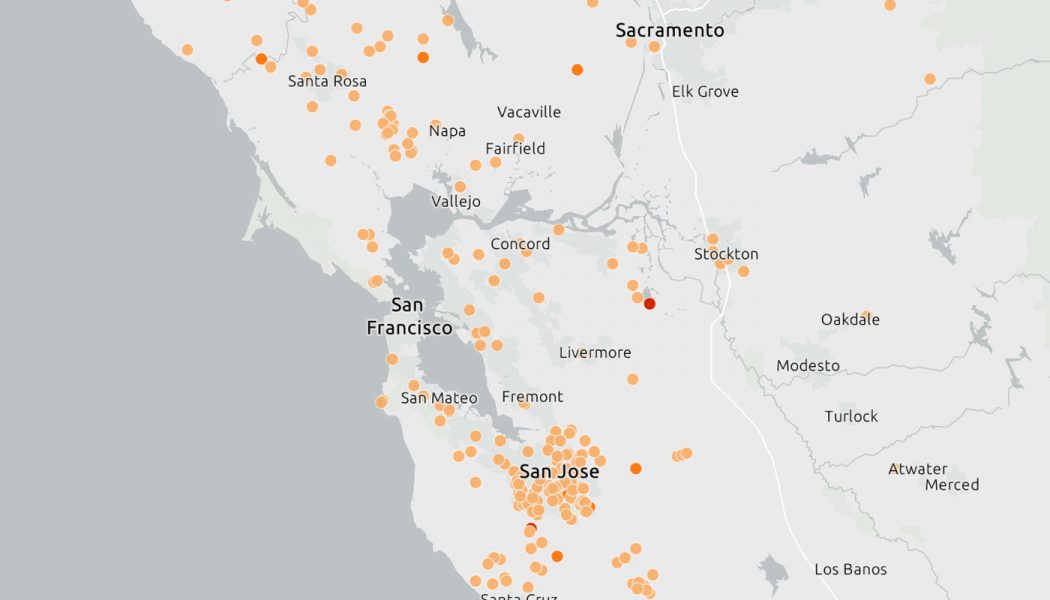
Some California residents with landlines and wired internet service will have power for three days in a power outage following a decision Thursday by the California Public Utilities Commission. The decision affects residents and others such as firefighters and hospital patients in areas of high wildfire risk. In eight months, wired service providers must meet the backup requirement for hospitals, fire departments and other critical facilities. The same applies to facilities that provide service for wireless networks and communities not well-served by wireless services… Keep reading this article at sfgate.com.