
Providence Technology Group
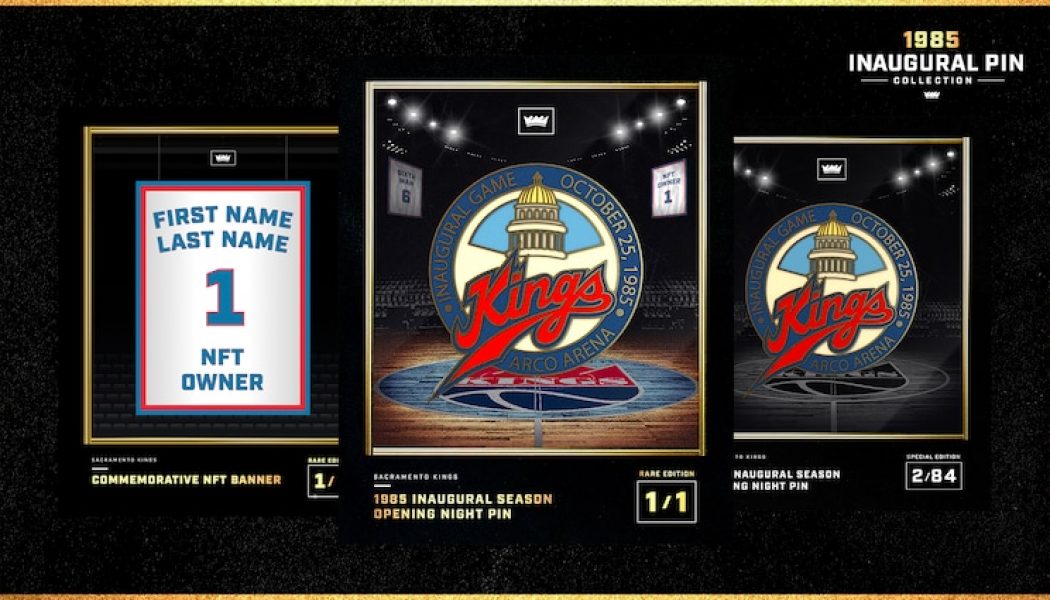

Kings Launch Industry First Combination of Digital + Real World NFT to Commemorate Inaugural Season in Sacramento
Today, the Sacramento Kings announced the franchise’s first-ever digitally designed Non-Fungible Token (NFT) depicting the 1985 commemorative pin given out in the inaugural season of the Kings in Sacramento and an industry first combination of the digital nature of NFT’s, ownership, and representation in the real world. “This NFT blends the digital and real world, signifying an iconic and memorable moment in our franchise’s history,” said Sacramento Kings Owner and Chairman Vivek Ranadivé. “This digital representation of our past connects to our proud future and provides the ultimate fan an extraordinary opportunity to unlock unique features and leave a mark on Golden 1 Center.” Keep reading this article at nba.com.


Researchers have taught a drone to recognize and hunt down meteorites autonomously
Planetary scientists estimate that each year, about 500 meteorites survive the fiery trip through Earth’s atmosphere and fall to our planet’s surface. Most are quite small, and less than 2% of them are ever recovered. While the majority of rocks from space may not be recoverable due to ending up in oceans or remote, inaccessible areas, other meteorite falls are just not witnessed or known about. But new technology has upped the number known falls in recent years. Doppler radar has detected meteorite falls, as well as all-sky camera networks specifically on the lookout for meteors. Additionally, increased use of dashcams and security cameras have allowed for more serendipitous sightings and data on fireballs and potential meteorite falls. Keep reading this article at phys.org
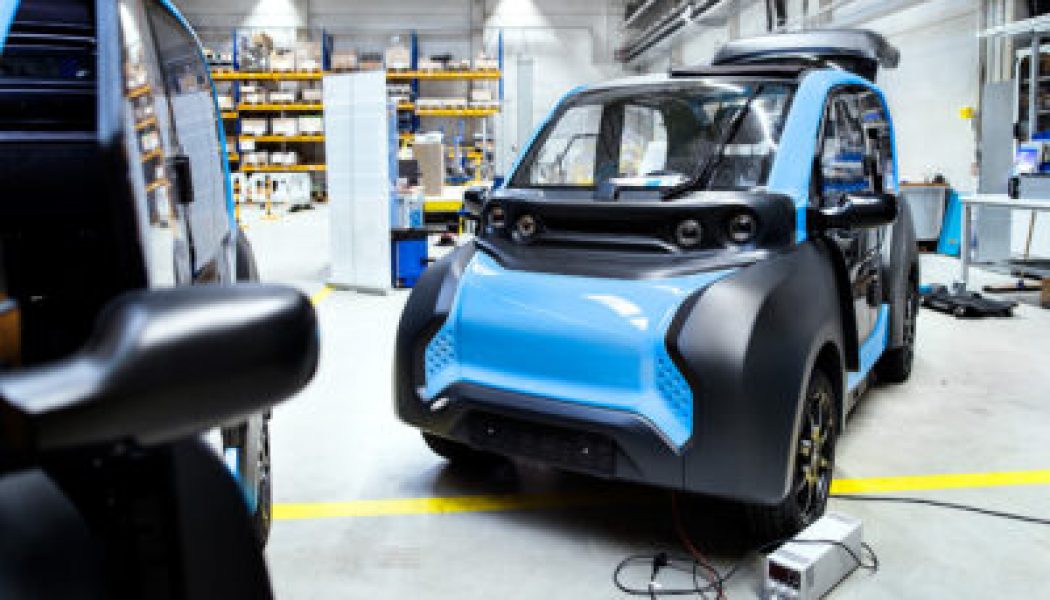

Why Greater Sacramento is leading in clean mobility
Shaping the future of clean mobility California continues to be a global leader in innovation for zero emission vehicles. What does this mean for the future of the state as it relates to clean mobility? Greater Sacramento, the state capital, is paving the way: creating assets, policies and initiatives to advance the green economy and technology. Since 2018, the Greater Sacramento Economic Council (GSEC), Sacramento Municipal Utility District (SMUD), City of Sacramento, Sacramento County, California Air Quality Management District (CARB), Sacramento State, UC Davis, Terzo Power Systems, SACOG, Los Rios Community Colleges in partnership with PEM Motion out of Germany worked on building a world-class facility called the California Mobility Center (CMC) to help electric vehicle companies comme...[Read More]


How Sacramento County Leveraged Technology to Put People At The Center Of The COVID-19 Response
After more than a year of restrictions, quarantine, and social distancing, Sacramento County is ready to get back to normal. The county, one of the largest in California, reopened along with the rest of the Golden State in June. Now, they plan to let the lessons of the pandemic guide them as they help businesses get back on their feet, prepare schools for in-person learning in the fall, and bring back some sense of normalcy. But how did Sacramento County get here? And what did they learn? Keep reading this article at the Greater Sacramento Council
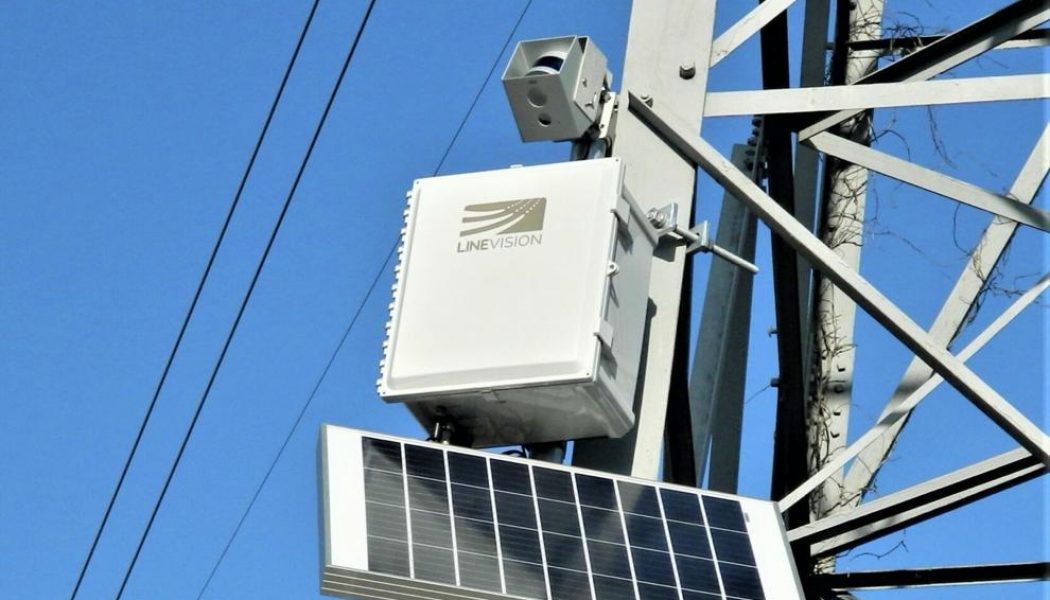

LineVision’s V3 Transmission Line Monitoring System to Be Installed in California for the First Time
LineVision, Inc., the world’s only provider of non-contact overhead line monitoring solutions announced today that its unique LiDAR-powered V3 monitoring system will be installed across power lines in the greater Sacramento region for the Sacramento Municipal Utility District (SMUD). The pilot project will focus primarily on power lines originating from the Upper American River Project hydropower stations in the Sierra Nevada Mountains near Lake Tahoe, which generates nearly 700MW of clean energy and accounts for nearly 20% of SMUD’s customer demand in an average water year. The pilot project will monitor transmission assets to identify if additional capacity is available during certain times of the year and will allow SMUD to proactively alleviate renewable energy bottle necks...[Read More]


Programmers, lawmakers want AI to eliminate bias, not promote it
When software engineer Bejoy Narayana was developing Bob.ai, an application to help automate Dallas-Fort Worth’s Section 8 voucher program, he stopped and asked himself, ‘‘Could this system be used to help some people more than others?” Bob.ai uses artificial intelligence, known as AI, and automation to help voucher holders find rental units, property owners complete contracting and housing authorities conduct inspections. The software and mobile app were released in 2018 in partnership with the Dallas Housing Authority, which gave Narayana access to data from some 16,000 Section 8 voucher holders. keep reading this article at gcn.com

Grape-Picking Robots Can Help Replace Manual Labor On Vineyards, UC Davis Research Shows
SACRAMENTO (CBS13) – Grapes are California’s third-largest crop, valued at nearly $6 billion a year. There’s growing concern this season that there may not be enough people to work in the fields, but those workers may not be needed much longer. New research at UC Davis is showing robots can help replace manual laborers and even change the way wine tastes. California’s wine industry is threatened by pests, drought, and wildfires, but now a lack of labor is creating another worry for farmers. Keep reading this article at gooddaysacramento.cbslocal.com.
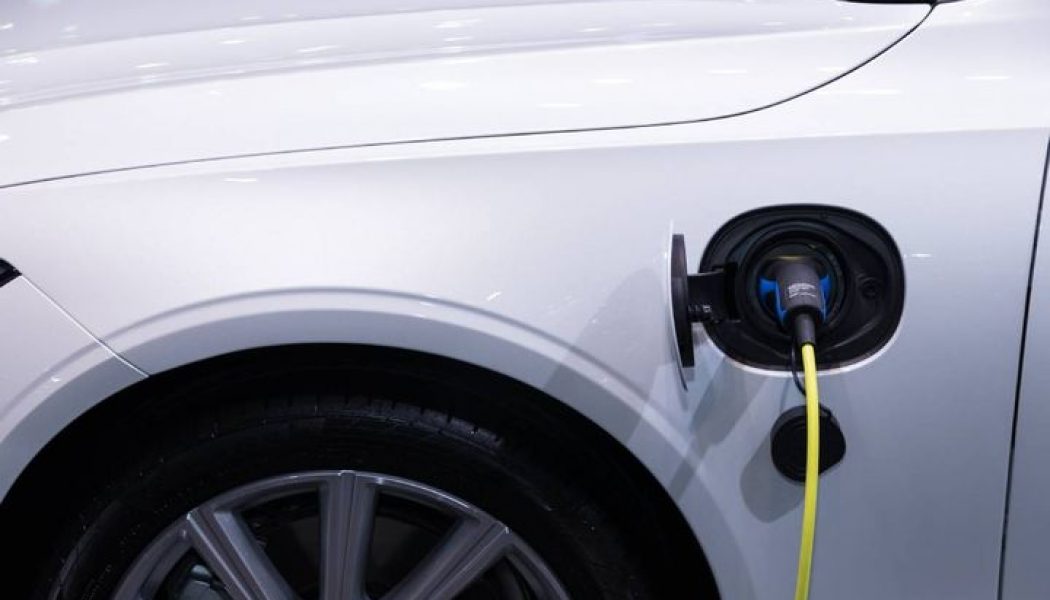

Zeus Electric Chassis Announces Agreement With Sacramento Municipal Utility District
Zeus Electric Chassis, a Class 3-8 electric work truck manufacturer, has announced its agreement with Sacramento Municipal Utility District (SMUD) to create a variety of zero-emissions electric work trucks. Each of the five unique vehicles in the first shipment will be configured to fit SMUD’s specific needs. Keep reading this article at automotive-fleet.com.


5 Lessons learned from a smart home experiment
Back in 2013, Honda worked with UC-Davis to launch a smart home project that would consume zero net energy. It was a bold experiment and a technical IoT marvel. Human dwellers occupied the home along with over 230 built-in sensors. Both provided a wealth of data and feedback that yielded several surprising results. Foremost was the importance of collecting data in a real-life environment, analyzing it and then acting on that analysis to try out new conditions and improved technologies. Six years later, the data and details of this project have been compiled into 5 key lessons learned, which will be reviewed shortly. First, a bit of background on the beginnings of this project are needed. Before the smart house could be built, all aspects of its design, operation and sustainability had to b...[Read More]
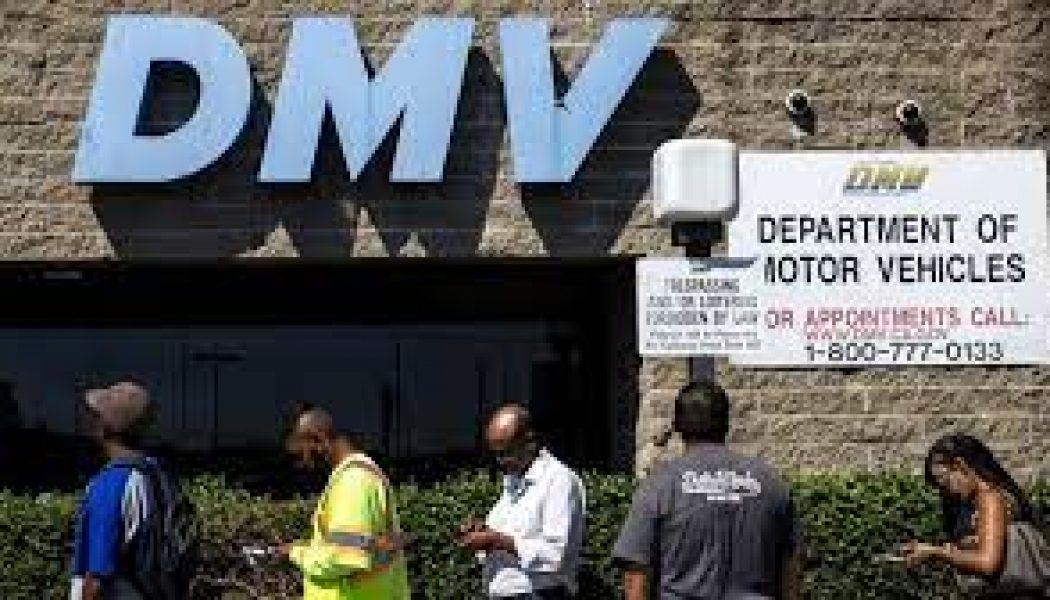

DMV drops Social Security Number proof requirement to get REAL ID
The California Department of Motor Vehicles announced Wednesday that residents applying for a REAL ID can now provide their Social Security Number without needing documented proof that they have one. In response to security concerns following the 2001 9/11 terrorist attacks, the REAL ID Act was passed by Congress in 2005 and established a minimum set of standards for state driver’s licenses and ID cards. The law also prevents federal agencies from accepting identification cards that don’t meet those standards, according to the U.S. Department of Homeland Security. Beginning in 2023, the DHS will require a federally-approved document, like a valid passport or a REAL ID, to board flights within the U.S. and enter military bases or other secured federal buildings, according to the DMV’s relea...[Read More]

Covid-19 Exposes Health System Vulnerabilities, Role Of Digital Health Platforms In Addressing Them
Among many other things, Covid-19 has illustrated just how fragmented the U.S. healthcare system is and the lack of meaningful health information exchange capabilities at-scale between and among different stakeholders. The pandemic has also exposed the egregious lack of investment in the country’s public health infrastructure to date, the challenge of private and public institutions having to innovate at breakneck speeds, and the way in which technology platforms are bridging the gap. While not all fragmentation in healthcare is ‘bad’ — more independent physicians practices are a good thing when it comes to improving healthcare access and bringing down costs, for example — healthcare’s disparate, siloed nature is incredibly problematic when trying to coordinate activities, information and ...[Read More]
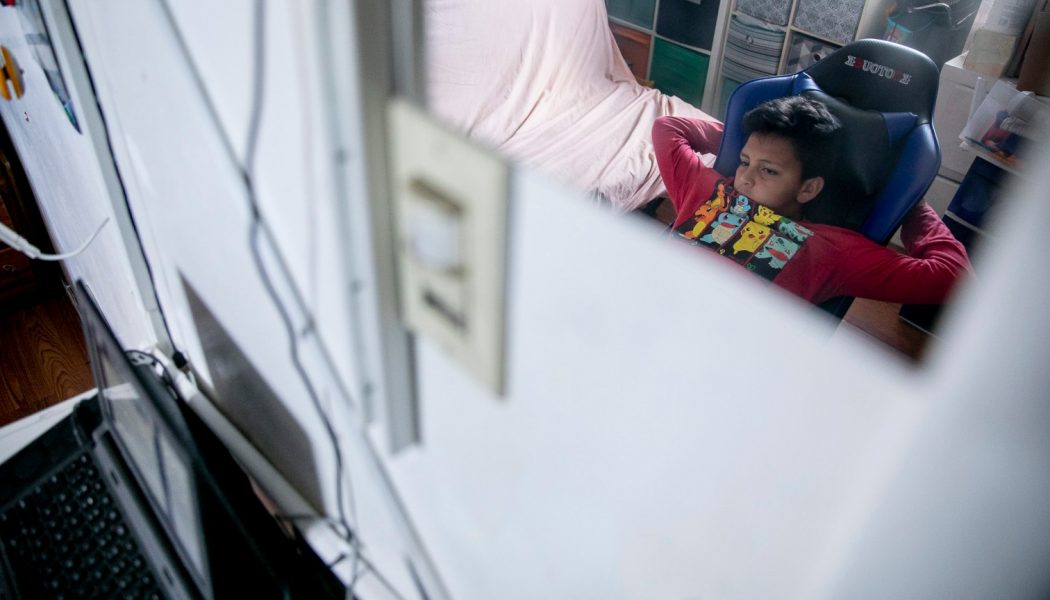

The wires may be there, but the dollars aren’t: Analysis shows why millions of California students lack broadband
About twice a week, the $9.99 per month internet connection falters. It’s often as Mario Ramírez finally wrangles his kids into their seats — the fourth-grader studies in the bedroom he shares with his 12 year-old sister, who studies in her parents’ bedroom — in time for virtual class. The screens freeze — sometimes during online tests. At times the little one bursts into frustrated tears as they wait for their connection to resume, precious class time slipping away. Though he hides it from his kids, Ramírez’ frustration spikes too, along with fear: What if this is the year that his kids lose interest in their education? In Ramírez’ view, it’s their ticket to a life unburdened by the monthly rent panic that Ramírez has often faced since immigrating from Mexico nearly 30 years ago. Keep r...[Read More]