
Providence Technology Group


California forces companies to show pay on job listings, revealing big tech salaries
A new law that went into effect this week requires most California employers to disclose salaries on job listings. The law affects every company with more than 15 employees looking to fill a job that could be performed from the state of California. It covers hourly and temporary work, all the way up to openings for highly paid technology executives. That means it’s now possible to know the salaries top tech companies pay their workers. For example: A program manager in Apple’s augmented reality group will receive base pay between $121,000 and $230,000 per year, according to an Apple posting Wednesday. A midcareer software engineer at Google Health can expect to make between $126,000 and $190,000 per year. A director of software engineering at Meta leading teams building network...[Read More]
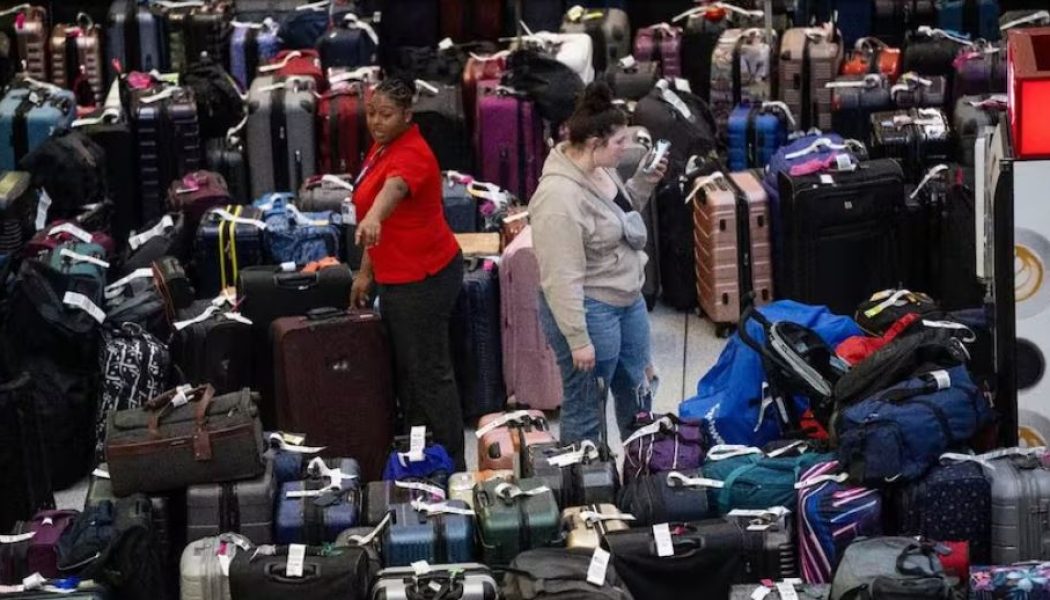

Considering a Tracker Next Time You Fly? Here’s How They Work and Your Baggage Rights as a Traveler
Losing luggage during a trip can easily ruin vacation plans. With recent Southwest cancellations and thousands of unclaimed pieces of luggage at airport terminals, luggage tracking technologies may become a no brainer when traveling. Based on the most recent Air Travel Consumer report, in November, 2,157,470 bags were mishandled in the U.S. in 2022. That is a 37% increase from 2021 in either stolen, damaged or lost bags. Thankfully, new technologies like luggage tracking devices are making it easier to identify where you bags are going at all times. Keep Reading This Article at Aviationpros.com.


California’s heat wave was a life-or-death situation. Then the state used a ‘tool of absolute last resort’
It was 3:30 p.m. on Tuesday, Sept. 6, and Californians were using more electricity than ever before. Soon the sun would begin to set, taking solar energy production with it. If things got bad, the operator might have to order rolling blackouts, which would plunge hundreds of thousands of people into darkness and turn off everything from air conditioners to lifesaving medical equipment. Conditions were not promising. Out on the deck of the state grid operator’s headquarters in Folsom (Sacramento County), the mercury reached 116 degrees — close to an all-time record for Northern California. CEO Elliot Mainzer had never felt anything like it. “The heat was just infernal,” he recalled. Keep Reading This Article at MSN.com.


12 Incredible UC Research Breakthroughs in 2022
Another year is very nearly in the books — and when it comes to the work that UC researchers have accomplished in 2022, that book is quite the page-turner. Just this year, UC researchers released the first complete, gapless sequence of the human genome; developed applications for Nobel Prize-winning CRISPR technology to fight climate change; and kicked off an ingenious pilot project to cover California’s canals with solar panels. They’ve also learned how we focus, shed light into the importance of social relationships, and even identified the source of hair loss. To top it all off, the U.S. Department of Energy and the National Nuclear Security Administration (NNSA) just announced that Lawrence Livermore National Laboratory’s National Ignition Facility achieved fusion ignition — a major sc...[Read More]
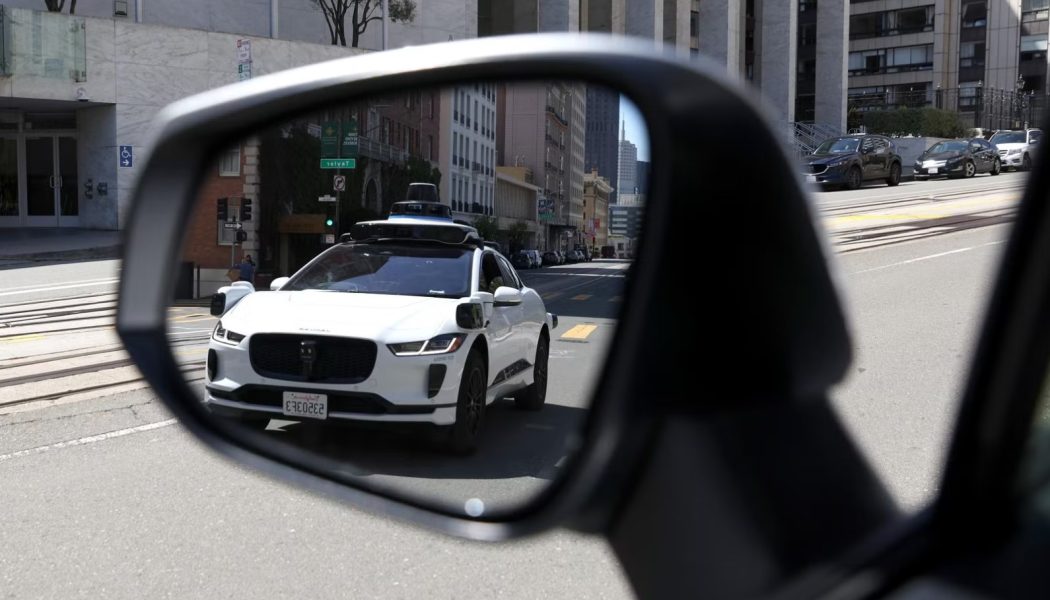

Self-Driving Taxis Are Causing All Kinds of Trouble in San Francisco
When transit systems experience delays, the reason usually isn’t very interesting: congested streets, medical emergencies, mechanical problems. But the cause of a recent holdup on San Francisco’s MUNI system at least had the virtue of being novel. On Sept. 30 at around 11 p.m., an N Line streetcar ground to a halt at the intersection of Carl Street and Cole Street because an autonomous vehicle from Cruise, a subsidiary of General Motors, had halted on the streetcar tracks and wouldn’t budge. According to the city’s transportation department, the 140 passengers riding the N line that evening were stuck in place for seven minutes before a Cruise employee arrived and moved the driverless conveyance. (Cruise did not respond to questions about what happened that night.) Keep reading this articl...[Read More]


Sacramento Kings file trademark for nickname inspired by victory beam
The Sacramento Kings have filed to trademark a nickname for the team that emerged during their seven-game winning streak in November. The team filed an application to trademark BEAMTEAM on Nov. 21, according to a search on the U.S. Patent and Trademark Office registry website. The application, which is currently pending, was filed a day after the Kings defeated the Detroit Pistons 137-129. If the Kings acquire the trademark, the team would have legal rights to the nickname on merchandise and anything related to basketball and the franchise. Keep Reading This Article at MSN.com.


SaaS Startup: EyeRate
EyeRate is a communication platform that aligns employee incentives with customer engagement, helping businesses improve their reputations across their digital channels. The SaaS company was founded by Sacramento natives and is headquartered in Elk Grove. EyeRate has been able to grow in Greater Sacramento thanks to the region’s tech talent, community resources and employee experience. Keep reading This Article at greatersacramento.com.


Italian Robotics Company Chooses Sacramento as Site of New U.S. Headquarters
Sacramento, California, November 15, 2022 —A rise in demand among companies to find new future mobility solutions has inspired SIR Robotics Inc., an Italian robotics company, to establish a U.S. business unit to serve North America. The Greater Sacramento Economic Council (GSEC) worked with SIR Robotics to locate its U.S. headquarters at the California Mobility Center (CMC) in Sacramento. SIR has identified North America as a major growth market and will need a local sales and service subsidiary where it can support existing customers and expand its presence with new ones. SIR (Soluzioni Industriali Robotizzate – Robotic Industrial Solutions) designs and manufactures robotic systems for the automotive and aerospace industries since 1984, the year in which it was founded by Mr. Luciano Pass...[Read More]


UC Davis to Develop AI for Breast Cancer Detection, Risk Prediction
University of California Davis researchers have received a $15 million, five-year grant renewal from the National Cancer Institute (NCI) to fund artificial intelligence (AI) projects aimed at improving breast cancer screening and risk prediction while reducing health disparities. According to the American Cancer Society, breast cancer is the most common cancer diagnosed among United States women and is the second leading cause of death from cancer among women. However, the disease burden of breast cancer varies across racial and ethnic groups, with disparities reported in rates of diagnosis, second cancers, and deaths. Keep Reading This Article at healthitanalytics.com.


Tesla gives Full-Self Driving demo to state agency, tries to keep critics away
Tesla Inc. demonstrated a beta version of its driver-assistance system for California transportation officials, including outside consultants the automaker previously sought to bar from the event. The demo of the system Tesla markets as Full Self-Driving was held last week at the Sacramento headquarters of the Department of Motor Vehicles, according to emails Bloomberg viewed via a public records request. Also at the Oct. 26 event were a representative of the Highway Patrol, a deputy secretary with the state transportation agency and three outside advisers for the DMV. Keep Reading This Article at autoblog.com.
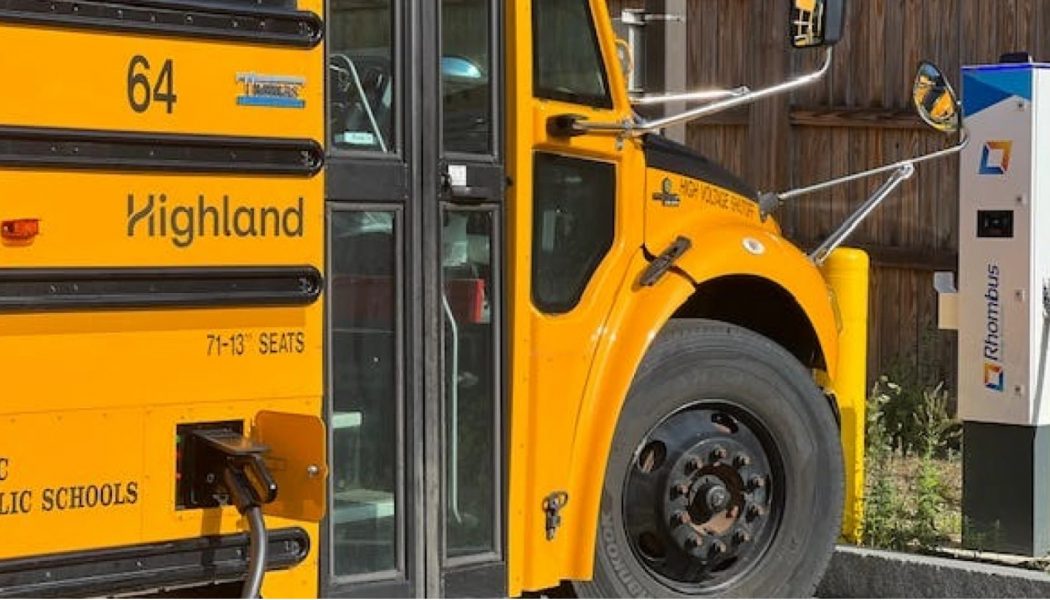

Schools Welcome Electric Buses, but Aren’t Sure About Owning Them
When Tim Shannon became the director of transportation for Twin Rivers School District in 2014, he inherited what he calls the “oldest, most decrepit fleet in the entire nation.” Buses were continually breaking down, but Shannon didn’t have much of a budget to replace them. But a meeting with a self-described electric bus evangelist clued him into a range of ways the California school district could get funding for buying new buses — provided they were electric. A lot of meetings, supportive letters from politicians and at least one 280-page grant application later, Twin Rivers ended up at the forefront of switching to electric school buses, with 57 buses on the road, almost 40 percent of its entire fleet. Electric school buses have been slow to take off across the country, despite their b...[Read More]


Marketing in the era of data growth and privacy
This article is part of a VB special issue. Read the full series here: How Data Privacy Is Transforming Marketing. For more than two decades, the holy grail of marketing has been focused on one-on-one connections between brands and shoppers. Companies that previously used television commercials to target the masses raced to take advantage of technologies like third-party cookies that tracked consumers across the internet — sweeping up vast swaths of easy-access data in order to serve precise ads to potential customers who might be interested in that very thing at that very moment. Now, the marketing landscape is in the midst of another near-total transformation, thanks to a growing focus — by consumers, regulators and Big Tech companies — on data privacy. Keep reading This Article at ventu...[Read More]